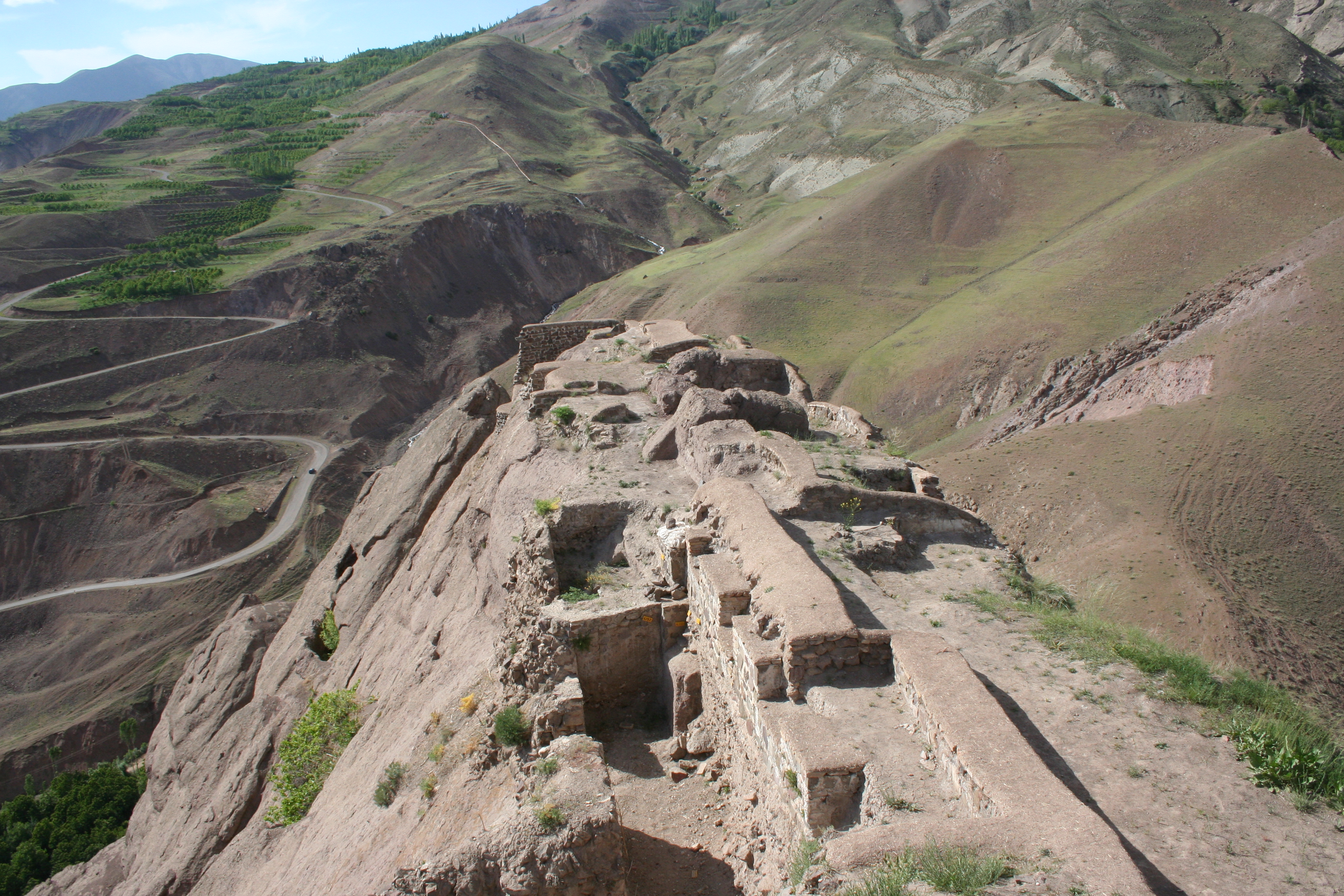
Iran’s Alamut Castle and related fortifications have been inscribed on UNESCO’s World Heritage List, according to reports on 26 July 2026.
The decision was adopted during the 48th session of the World Heritage Committee in Busan, South Korea. The Tehran Times reported that the designation makes the site Iran’s 30th tangible cultural heritage property on the list.
The newly inscribed serial property comprises seven historic castles and fortifications across the eastern and western Alamut valleys and the southern slopes of the Alborz mountain range in Qazvin province.
The Tehran Times identified the components as Alamut Castle, Lambsar, Navizarshah, Shams-Kelaye, Qostinlar, Shirkuh and Ilan. The Art Newspaper gave variant spellings for several of the same sites in its report from the committee session.
The fortifications formed an interconnected defensive and administrative system between the 11th and 13th centuries. UNESCO recognised the property as an example of a fortified mountain landscape shaped by geography, communication routes, defensive architecture, water-resource management and spatial organisation, according to The Tehran Times.
From the late 11th century, Alamut served as the political, military and intellectual centre of the Nizari Ismaili state. The sites also functioned as centres of scholarship and culture before the Mongol conquest of Alamut in 1256.
The Art Newspaper reported that Hamideh Choubak, director of the Alamut World Heritage base, said the priority after inscription would be protecting the site’s authenticity and integrity.