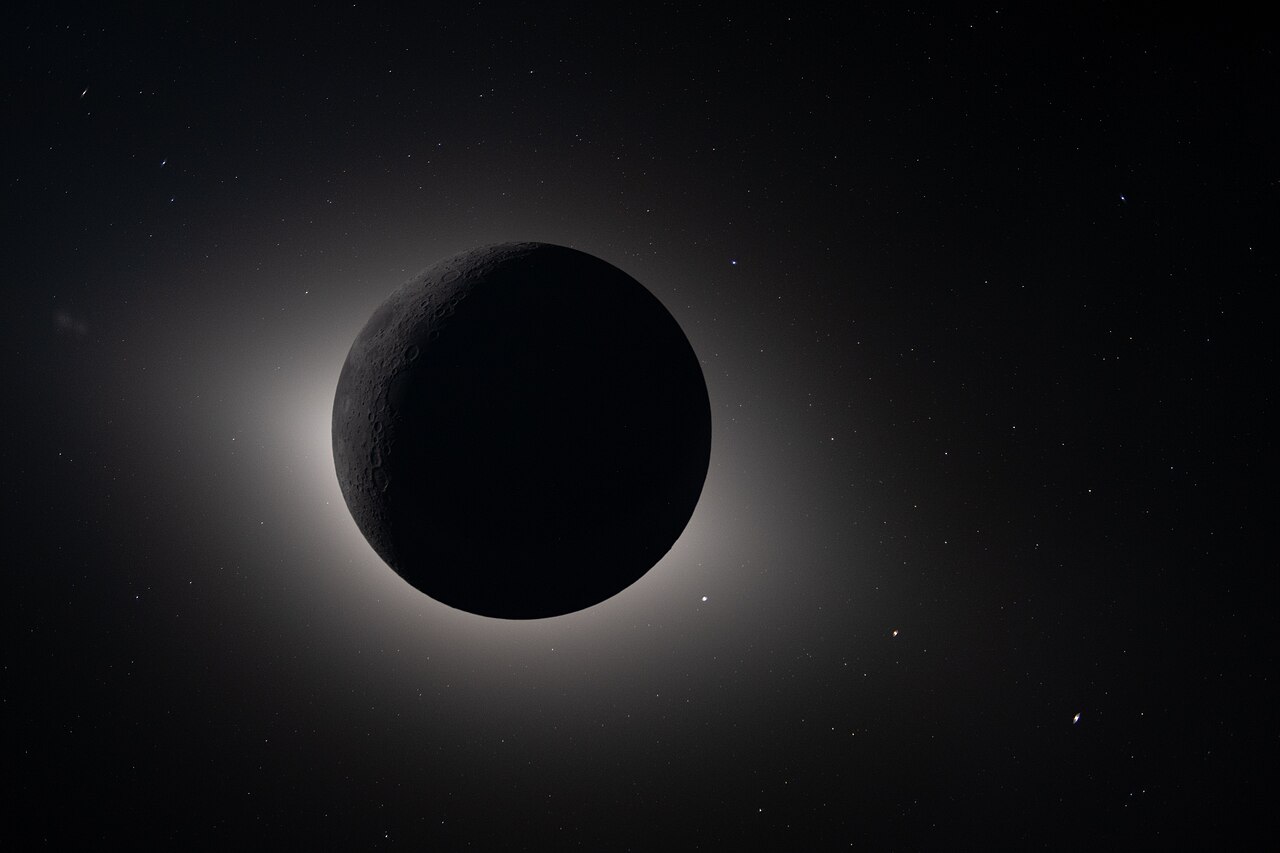
Northern Ireland is preparing for its most substantial solar eclipse in years, with the Moon expected to cover most of the Sun during an early-evening event on Wednesday, August 12. Belfast will see a partial eclipse rather than totality, but the remaining crescent of sunlight should still produce a striking change if skies are clear.
Astronomical tables for Belfast place the beginning at about 6.10pm, maximum coverage at 7.08pm and the end shortly after 8pm. The listed magnitude is about 0.938, meaning roughly 94% of the Sun's diameter will be obscured at the maximum. Times vary slightly across Northern Ireland, so viewers should check a location-specific table.
The Royal Observatory Greenwich describes the event as the best partial solar eclipse visible from the UK and Ireland so far this century. Totality will cross parts of Greenland, Iceland and northern Spain, while people farther from that narrow path will see different degrees of partial coverage.
Safe viewing remains the central message. Ordinary sunglasses, phone cameras, binoculars and telescopes do not provide protection. Viewers should use certified eclipse glasses from a reliable supplier or an indirect method such as a pinhole projector, and optical equipment needs a correctly fitted solar filter on the front of the instrument.
The Sun will be relatively low in the western sky during the Belfast maximum. An open view towards the west will therefore be more useful than a high city-centre position, although weather and local cloud will determine what can actually be seen. The eclipse can also be followed through the Royal Observatory's live online programme if conditions are poor.