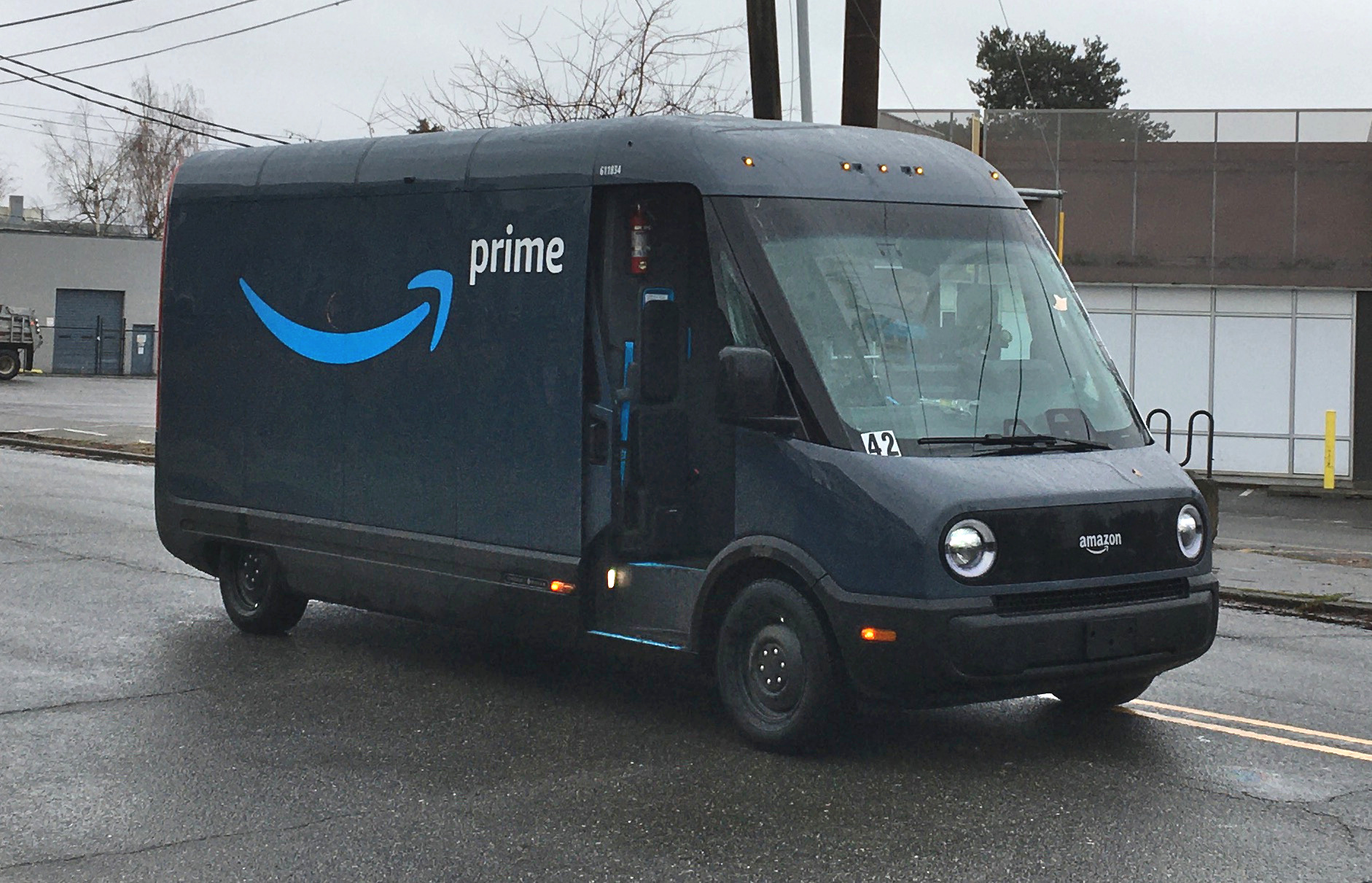
Drivers with a standard Category B licence will be able to operate certain heavier zero-emission goods vehicles from August 1, under regulations intended to account for the additional weight of batteries, fuel cells and associated equipment.
The normal 3,500kg maximum authorised mass will rise to 4,250kg for eligible zero-emission goods vehicles. A driver must have held the relevant licence for at least two years. The change does not create a general entitlement to drive any vehicle at the higher weight.
A further limit of up to 5,000kg can apply where the additional weight comes from specialist equipment needed for a disabled user. Vehicle use, construction and licensing conditions still need to be checked, including any separate rules that apply to trailers or commercial operation.
Electric vans can be heavier than diesel equivalents before cargo is loaded because of their battery packs. Without an adjustment, operators may have to reduce payload or use a higher licence category even where the vehicle performs the same practical delivery role.
The Department for Infrastructure says the regulations align the licensing framework more closely with zero-emission technology while retaining experience requirements. Drivers and fleet managers remain responsible for checking the plated weight, payload and exact licence entitlement before a journey.