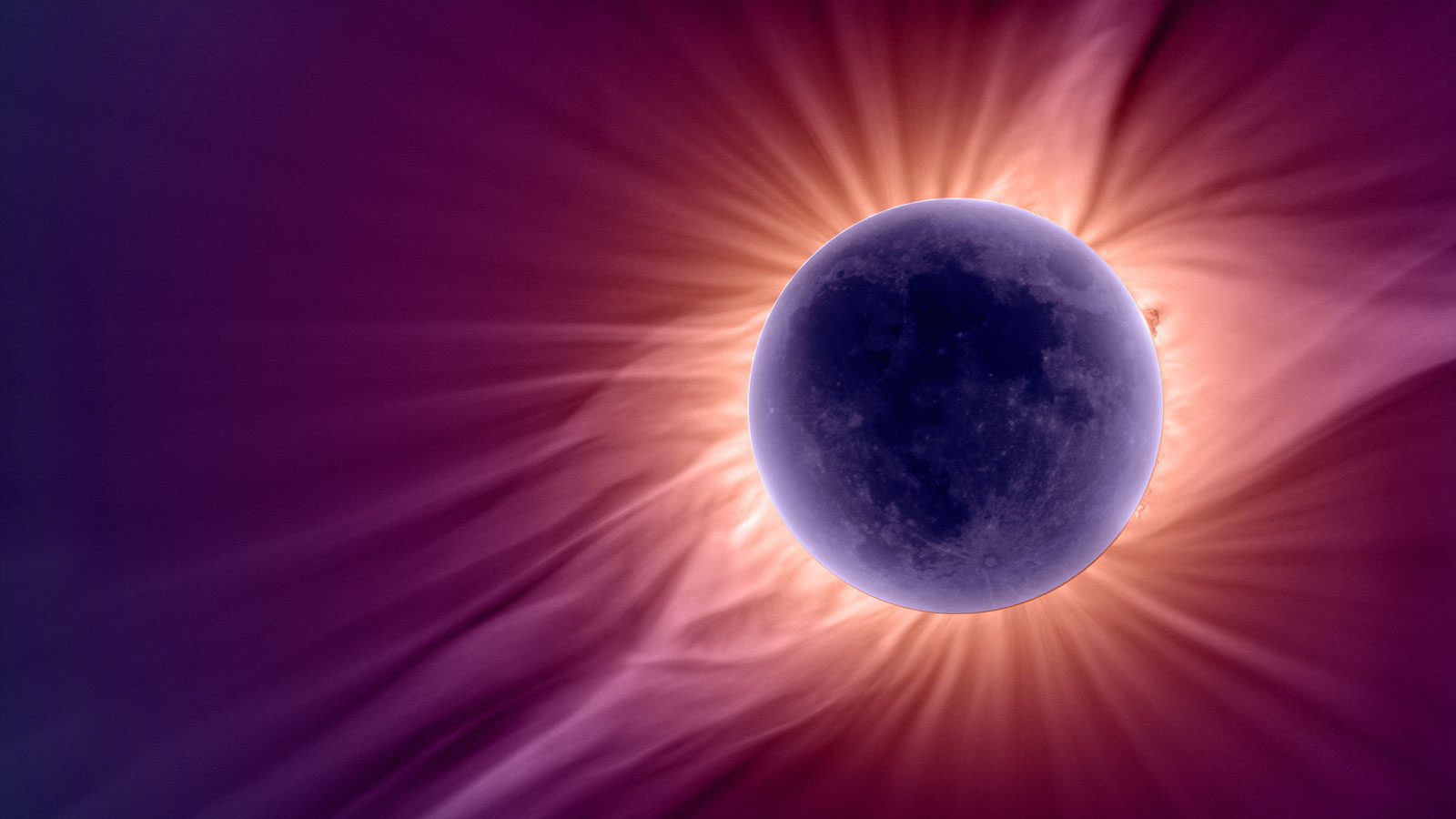
Skywatchers across Northern Ireland are preparing for two major astronomical events on Wednesday, with a deep partial solar eclipse due in the early evening and the Perseid meteor shower reaching its peak later that night. The eclipse will be substantial throughout the region, although Northern Ireland lies outside the path of totality.
The partial eclipse is expected to begin at about 6.10pm in Belfast, reaching its greatest extent at around 7.08pm before ending close to 8.03pm. Calculations published for Belfast indicate that about 93% of the sun will be obscured at maximum. The precise timing and coverage vary slightly by location, with similarly deep coverage expected across Armagh, Derry and Omagh.
NASA says the path of totality crosses Greenland, Iceland, northern Russia, the Atlantic, Spain and a small part of Portugal. Ireland and the rest of the United Kingdom will instead see a partial eclipse. Armagh Observatory and Planetarium has also highlighted the August 12 event for observers across the UK and Ireland.
Special-purpose solar filters are essential throughout a partial eclipse. Guidance from the American Astronomical Society says direct viewing should be through filters that conform to the ISO 12312-2 standard. Ordinary sunglasses do not provide suitable protection, and binoculars, telescopes or cameras need purpose-designed solar filters fitted at the front of the equipment.
The Perseid meteor shower is then expected to peak overnight from Wednesday into Thursday. The shower is created when Earth passes through debris left by comet Swift-Tuttle. The Royal Observatory Greenwich says the 2026 peak falls on August 12 and 13, while the absence of bright moonlight should improve the view where skies are clear.
Meteor watching does not require a telescope. Observers are advised to choose a dark place away from streetlights, allow time for their eyes to adjust and look across a broad area of sky. Cloud cover will determine how much can be seen from individual locations, so the latest local forecast should be checked before travelling to a viewing site.