The National Drought Group has stepped up its response after hearing that recent extreme weather is affecting the environment, water supplies and food production.
Eight areas across England were in prolonged dry weather on Monday 20 July, the stage before drought. Parts of southern, central and eastern England have moved closer to drought status.
The group met after the third heatwave of the year, which brought 12 consecutive days of temperatures above 30C. England has received 3% of its long-term average July rainfall, while the south and east have had no rain so far this month.
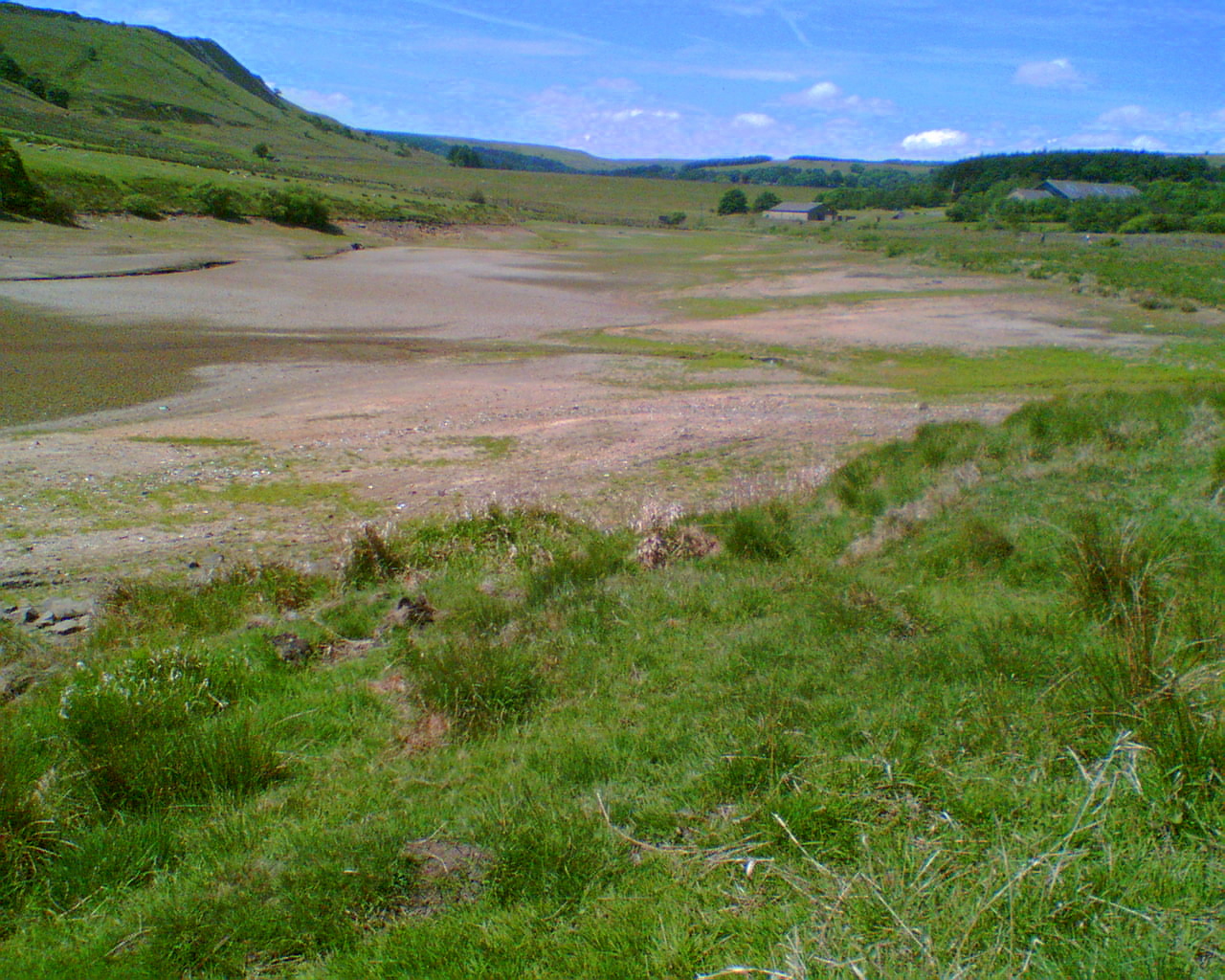
The National Drought Group heard that wildfires had affected several areas, including protected sites and prime agricultural land. Ponds and wetlands have dried out, some rivers have dried up in places, and bird breeding is expected to be affected.
Demand for water has risen by up to 30% on the hottest days. Seven water companies have implemented or announced future temporary use bans for 23 million customers to protect the environment and reduce strain on treatment works and storage during peak demand.
Farmers have had to begin harvests early, with warnings that cereal yields will be lower than expected. The Environment Agency has carried out fish rescues where oxygen levels have depleted as river levels reduced.
The group includes the Met Office, government, regulators, water companies, farmers, Canal & River Trust, anglers and conservation experts. Members’ work has increased through incident response, additional monitoring, cross-sector communication and public advice.