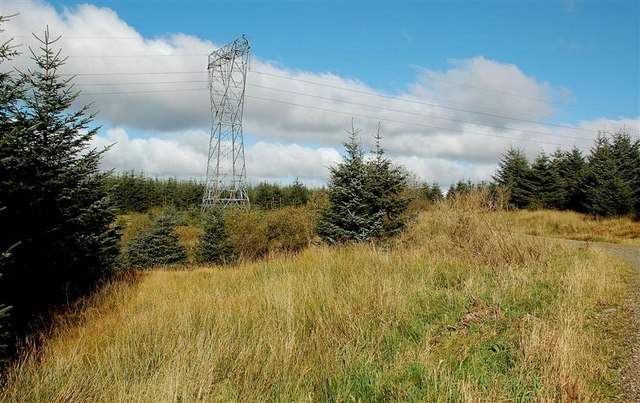
A new policy framework will be used to assess proposals for additional electricity connections between Northern Ireland and neighbouring markets.
The Department for the Economy's Interconnection Policy Statement sets the direction for future East-West electricity infrastructure. It is intended to give developers, regulators and communities a clearer account of the tests that any new external link would need to meet.
Three principles underpin the framework. Proposals should be supported by evidence about the whole electricity system and long-term resilience, developed through cooperation between jurisdictions, and capable of producing positive outcomes for consumers through a fair allocation of costs, benefits and risks.
The department says an electricity interconnector can improve security of supply and help renewable generation move between markets when production and demand differ. The policy is also designed to prevent projects from adding avoidable long-term costs to household and business energy bills.
The statement does not change the statutory role or independence of the Utility Regulator. It also treats the planned second North-South Interconnector as reinforcement of the all-island transmission system rather than as an external interconnection project, although that scheme remains relevant to wider system assessment.
The framework delivers a commitment in the 2026 Energy Strategy Action Plan. Future proposals will still have to pass their separate regulatory, planning and investment processes before construction could proceed.