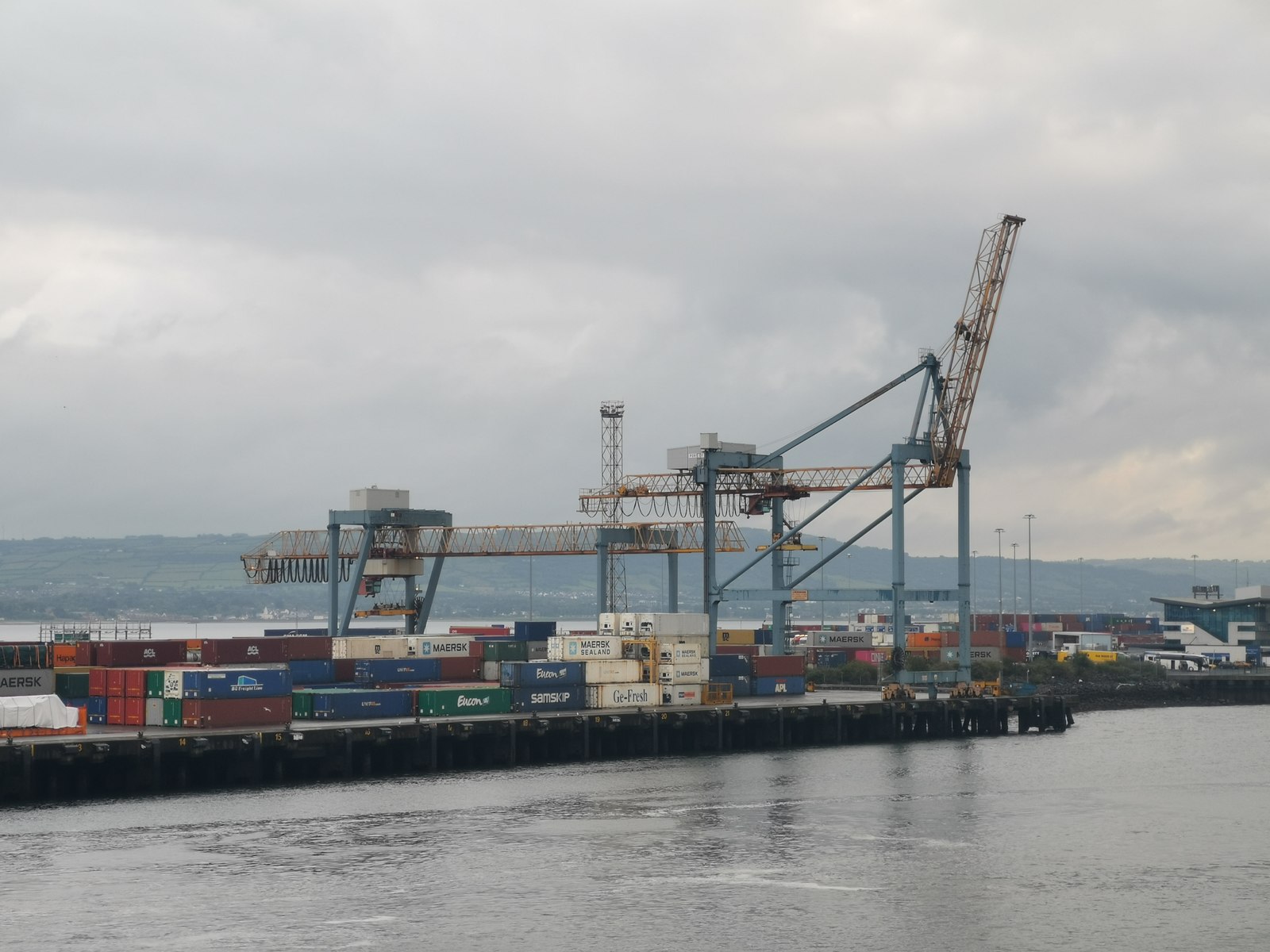
Higher United States tariffs would reduce trade, economic output and household consumption in Northern Ireland, according to two research papers published by the Department for the Economy. The modelling also points to a short-term increase in prices as international supply and demand adjust.
The work was carried out by the Economic and Social Research Institute and the National Institute of Economic and Social Research. Separate models were used to examine exposure through direct exports, imported inputs and the wider effect of slower activity among major trading partners.
Northern Ireland's access to both the UK internal market and the European Union goods market provides some capacity to redirect trade. The reports conclude that this position offers resilience but is not sufficient to cancel the impact of a significant rise in US barriers.
Chemicals, transport equipment and electrical machinery were among the sectors identified as more exposed. The actual effect on an individual firm would depend on its products, customer contracts, supply chain, currency position and ability to find alternative markets.
The papers are scenarios rather than a precise forecast of future output. Their value is in showing transmission routes and relative vulnerability under stated assumptions. Businesses can use that evidence alongside live tariff schedules, while policymakers can test where export support or diversification would have the greatest effect.