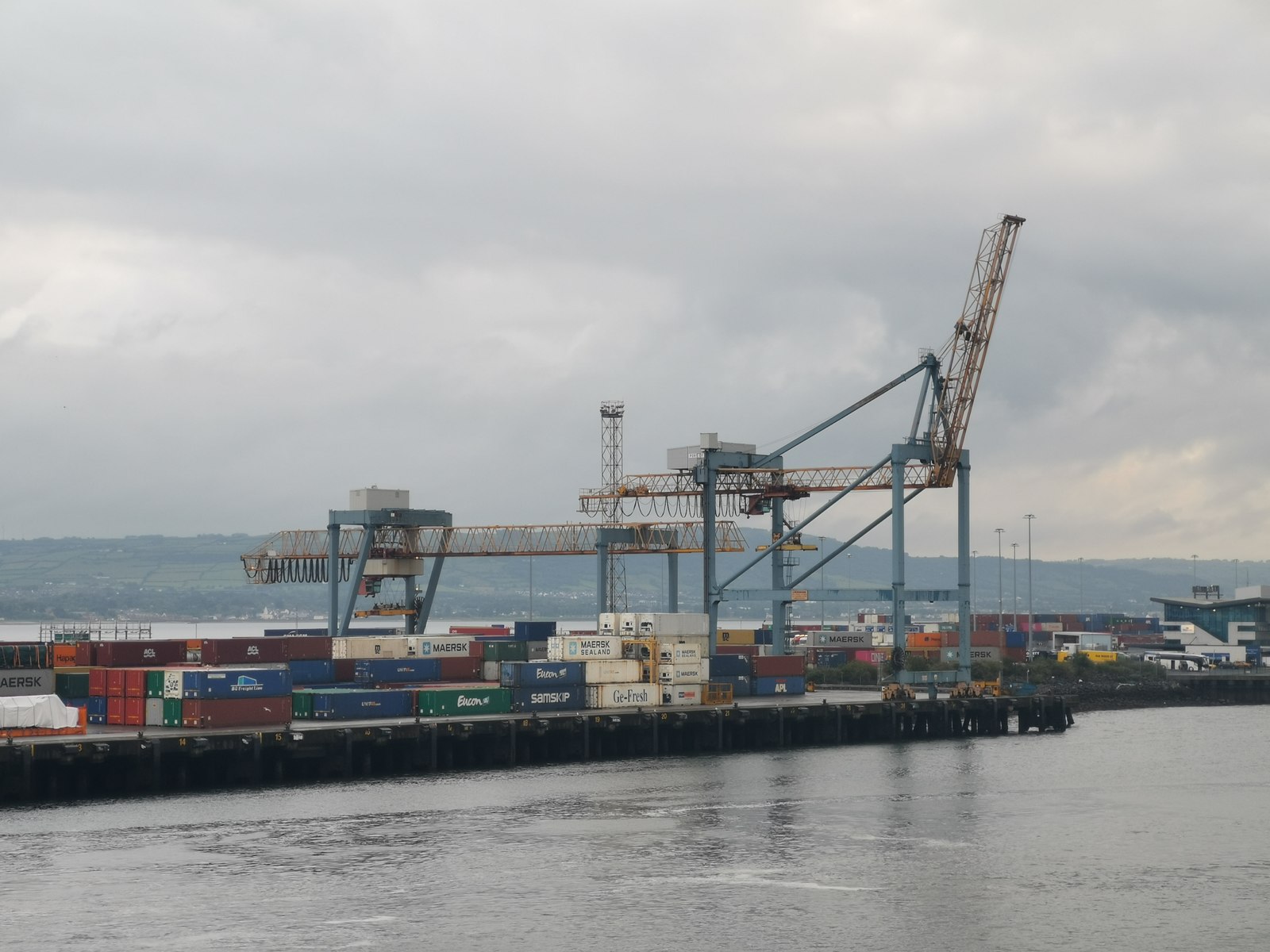
Two independent research papers have been published examining the impact of recent changes in United States trade policy on Northern Ireland.
The Department for the Economy said one paper, carried out by the Economic and Social Research Institute with the National Institute of Economic and Social Research, assesses the potential macroeconomic impact of US tariffs. A second ESRI paper examines how tariff changes could affect Northern Ireland’s trade patterns across key sectors and trading partners.
The macroeconomic research considered a range of tariff scenarios and their likely effects on GDP, trade, employment, consumption, wages and inflation between 2025 and 2030. The work used the AMNIE model to assess five potential US tariff scenarios against a no-tariff baseline.
The analysis found that higher tariffs would reduce trade volumes, increase inflation in the short term and lower economic output and consumption over time. It also said Northern Ireland’s dual-market access under the Windsor Framework may offer some resilience and opportunities from changes in global trade, but those benefits are unlikely to outweigh the wider economic costs of increased barriers.
Economy Minister Dr Caoimhe Archibald said the introduction of new US tariffs had created uncertainty for businesses, investors and consumers. She said Northern Ireland was particularly sensitive to changes in the global trading environment because it is a small, open economy with strong links to Britain and the European Union.
The trade research found that US tariffs introduced since 2025 are expected to have a significant long-term effect on trade between Northern Ireland and the United States. The largest estimated export reductions are in chemicals and transport equipment manufacturing other than motor vehicles, while electrical machinery manufacturing is expected to see the largest decline in imports.